Platform 1974 – 1993

240

Rear-wheel drive, overbuilt, and gloriously analogue. There is no data bus to decode because there is no data bus — every reading is a voltage, a resistance or a switch. Which makes it the honest way to learn a car.

240 244 245 242 our car: 1987 244 DL Pre-CAN

01 Our reference car

1987 244 DL

The brick. No factory CAN bus, so we built the dash from scratch.

Identity
Platform 240 series (RWD, 1974–1993)
Body 244 four-door saloon
Electrics Pre-CAN — every signal is analogue or a switch
Project Project Gothenburg — Pi 5 digital cluster
On the bench
  • 12.3″ 1920×720 cluster in a printed shell
  • Sensor harness — nodes P / A / C
  • Car OS: offline map, gauge views, app hub

The headline build · 65% done

Project Gothenburg.

A modern Volvo-style digital driver display for a 1987 244 DL — a Raspberry Pi 5 driving a 12.3″ 1920×720 panel inside a 3D-printed cluster shell. The 240 has no factory CAN bus, so every reading is earned: each gauge is wired from a real sensor rather than decoded off a bus.

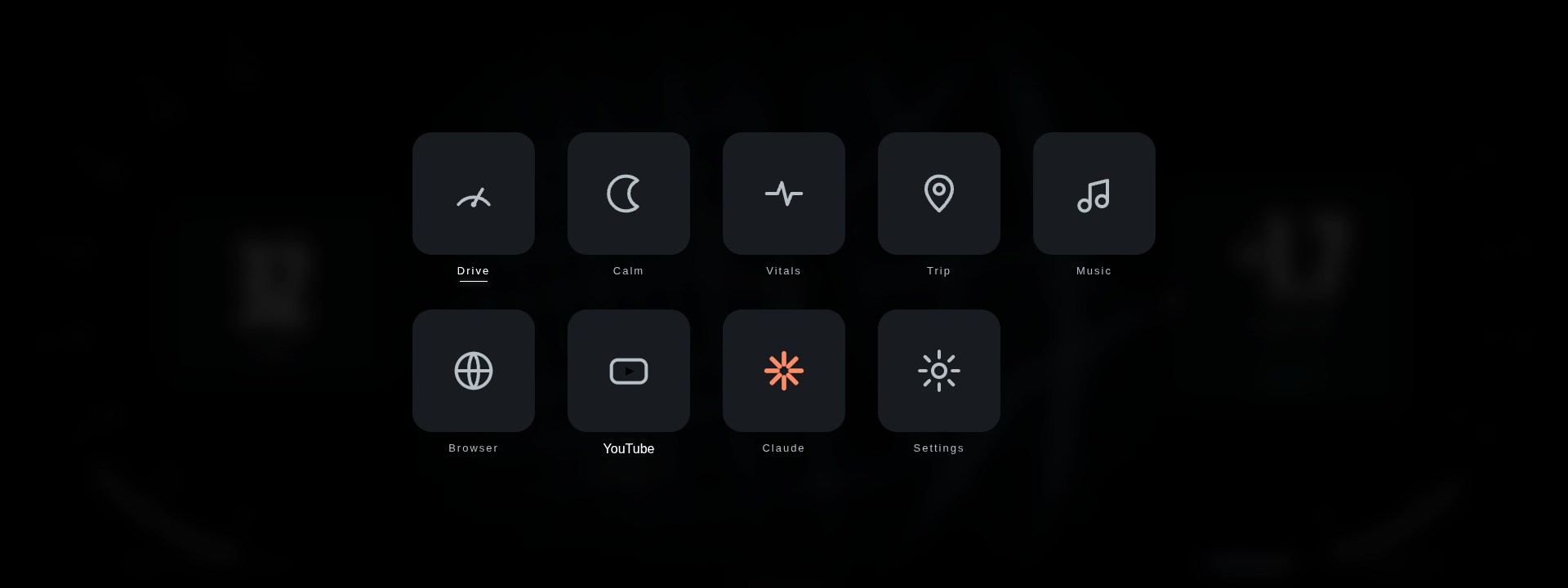
The CarPlay-style app hub — Claude, browser, media, all on the 12.3″ panel
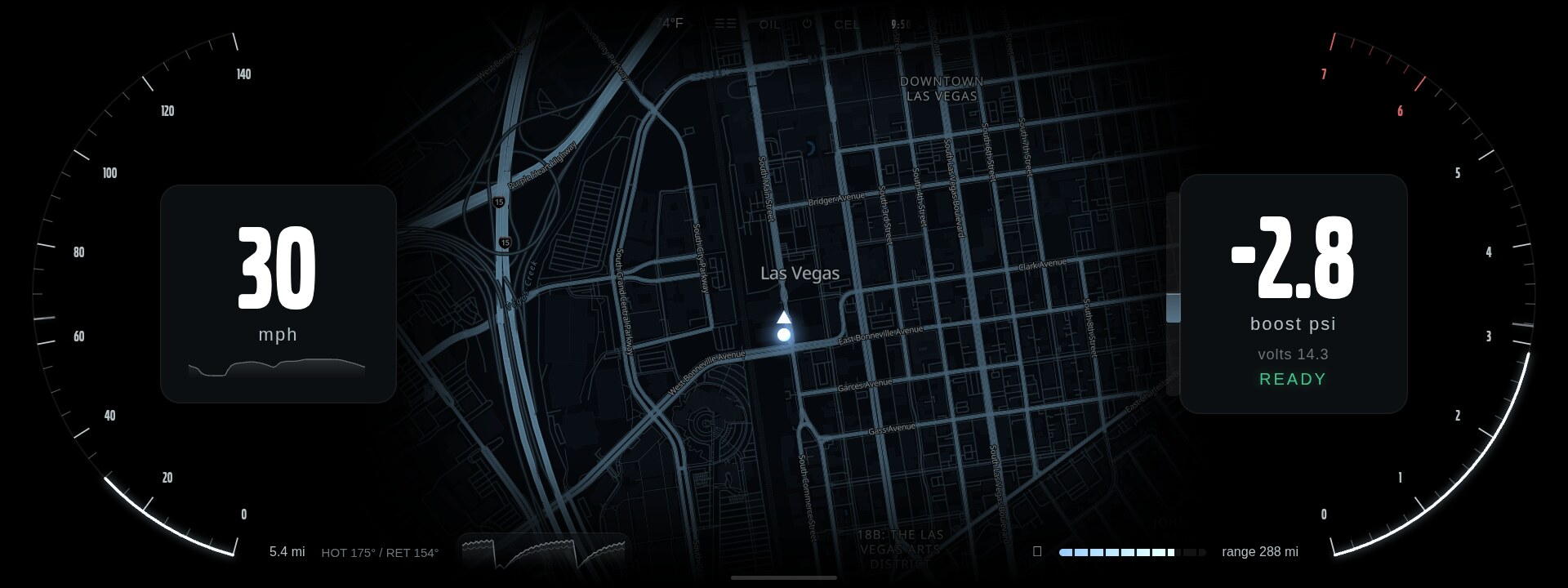
Volvo-crisp gauge view at panel-native 1920×720
The calm, parked state — offline Vegas map front and centre
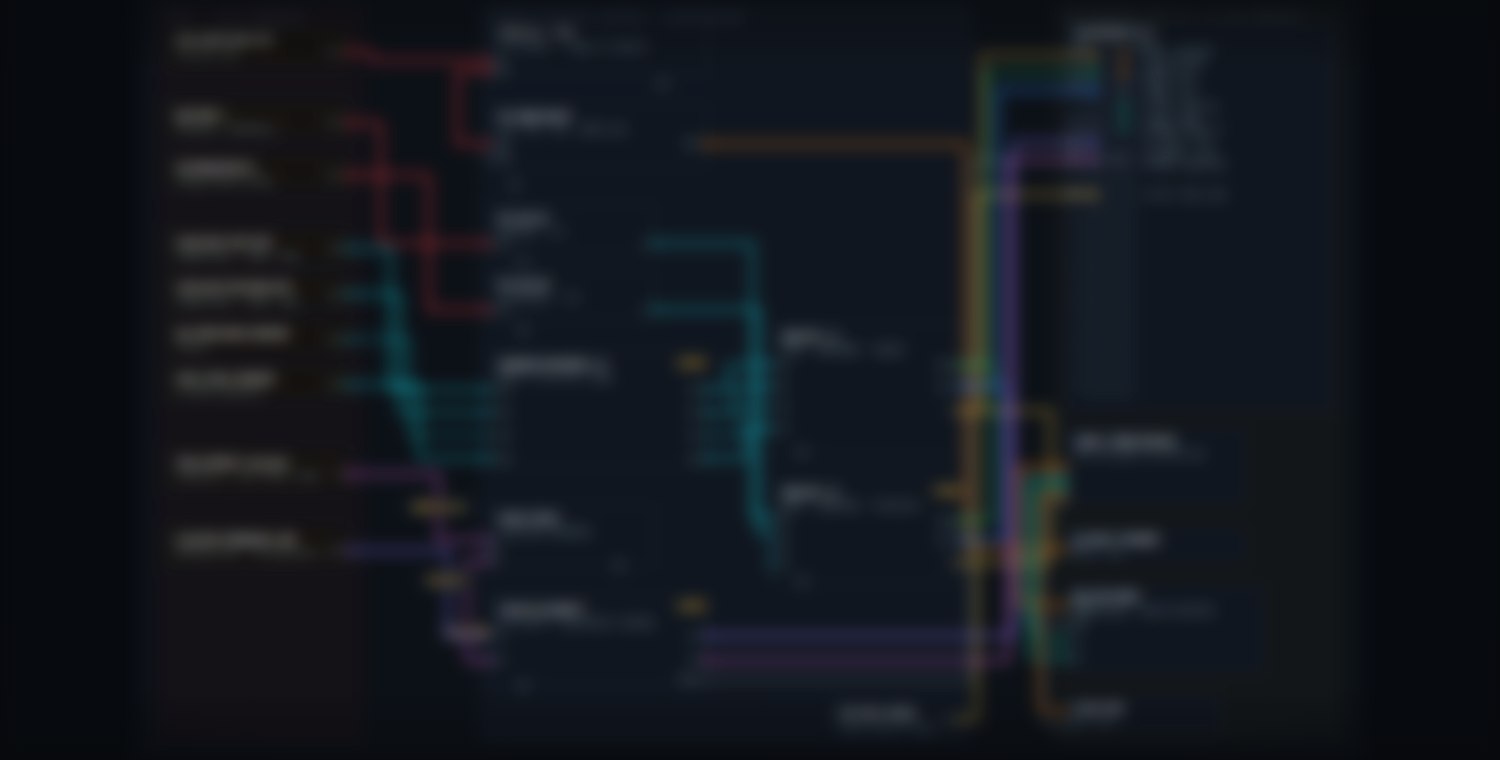
Behind the glass: the sensor harness that feeds a pre-CAN car's gauges

Volvo-crisp gauge views rendered at panel-native 1920×720

Fully offline MapLibre map — no signal required

CarPlay-style app hub (Claude, browser, media)

Boot splash and a safety motion lockout: above 1 mph the display falls back to speed only

Full write-up →

Shop · coming soon

240 Spoiler.

A proper rear spoiler for the 240 — adapting the classic 850R wing to the 240's boot with a 3D-printed adapter bracket, plus a printed bumper cooling insert to finish the look. Designed to be sold: this is the first Volvo World part heading for a storefront at 240spoiler.com.

  • 850R-to-240 spoiler adapter bracket, modelled parametrically and printed
  • Matching 240 bumper cooling insert to complete the front-to-back look
  • Being productised for sale — 240spoiler.com is ours and waiting
  • Next step: a large filament batch (Alibaba) so we can print to sell
Status

The design is done and printing. The storefront domain — 240spoiler.com — is ours and waiting. The one thing between here and selling units is a big batch of filament (sourcing from Alibaba); that’s a job for another day.

850R wing printed adapter cooling insert for sale soon

02 The interesting constraint

Nothing to
decode.

On a modern car, building a dashboard is a software problem: read the bus, parse the frames, draw the numbers. On a 240 there is no bus, so it becomes an electrical problem — and a far more instructive one.

Signals

Every gauge is earned

Speed, revs, temperature, fuel level, oil pressure — each is its own sensor with its own characteristic curve. You calibrate against reality rather than trusting a decoded value.

Harness

A loom that never existed

No factory harness was ever made for a screen in this dash, so one gets designed: sensor nodes, a power feed that survives cranking, and grounds that don't fight the car's.

Safety

A driver's display, not a toy

Anything in the driver's eyeline must behave when the car is moving. Above walking pace the display collapses to speed alone — a rule the software isn't allowed to break.

Serviceability

Built to be fixed

240s are the counter-argument to disposable cars. Parts still exist, the mechanicals are accessible, and nothing is glued shut. It rewards patience rather than punishing it.

Fabrication

Printed, not adapted

The cluster shell is designed and printed to fit a modern wide panel into the original binnacle — keeping the dash looking stock from the passenger seat.

Documentation

Old data, still good

The factory wiring diagrams and procedures for these cars are unusually clear, from an era when the manual assumed you'd be doing the work yourself.

03 240 work

On the brick.

Digital cluster + car OS

Project Gothenburg

A modern Volvo-style digital driver display for a 1987 244 DL — a Raspberry Pi 5 driving a 12.3″ 1920×720 panel inside a 3D-printed cluster shell. The 240 has no factory CAN bus, so every reading is earned: each gauge is wired from a real sensor rather than decoded off a bus.

65% · active
A product, not just a part

240 Spoiler

A proper rear spoiler for the 240 — adapting the classic 850R wing to the 240's boot with a 3D-printed adapter bracket, plus a printed bumper cooling insert to finish the look. Designed to be sold: this is the first Volvo World part heading for a storefront at 240spoiler.com.

55% · productizing Open →
Factory data, queryable

VIDA, Unlocked

Volvo's dealer workshop system stores its entire service library in a SQL database. Reading it directly instead of clicking through the application turned a three-and-a-half-minute lookup into a sub-second query — and made the whole library searchable at once.

90% · running Open →
A format nobody could open

Exploded-Plate Decoder

The parts catalogue's exploded diagrams are stored in a binary vector format that no standard tool would open — and the reason why turned out to be a trap: the files claim to be vector graphics, but the actual picture is a single bitonal raster tile hidden inside. Decoding the grid as one continuous strip produces convincing noise; finding the tile boundary produces a perfect diagram.

100% · solved Open →
The junkyard advantage

YardBrain

A private junkyard cross-referencing engine. Point it at a part and it works out every other vehicle that part was fitted to — so a trip to the yard stops being a guessing game. It reads the interchange data the pros use, flags cars that were filed under the wrong VIN, and scores which donor is worth the walk.
80% · running